Jul 10, 2025
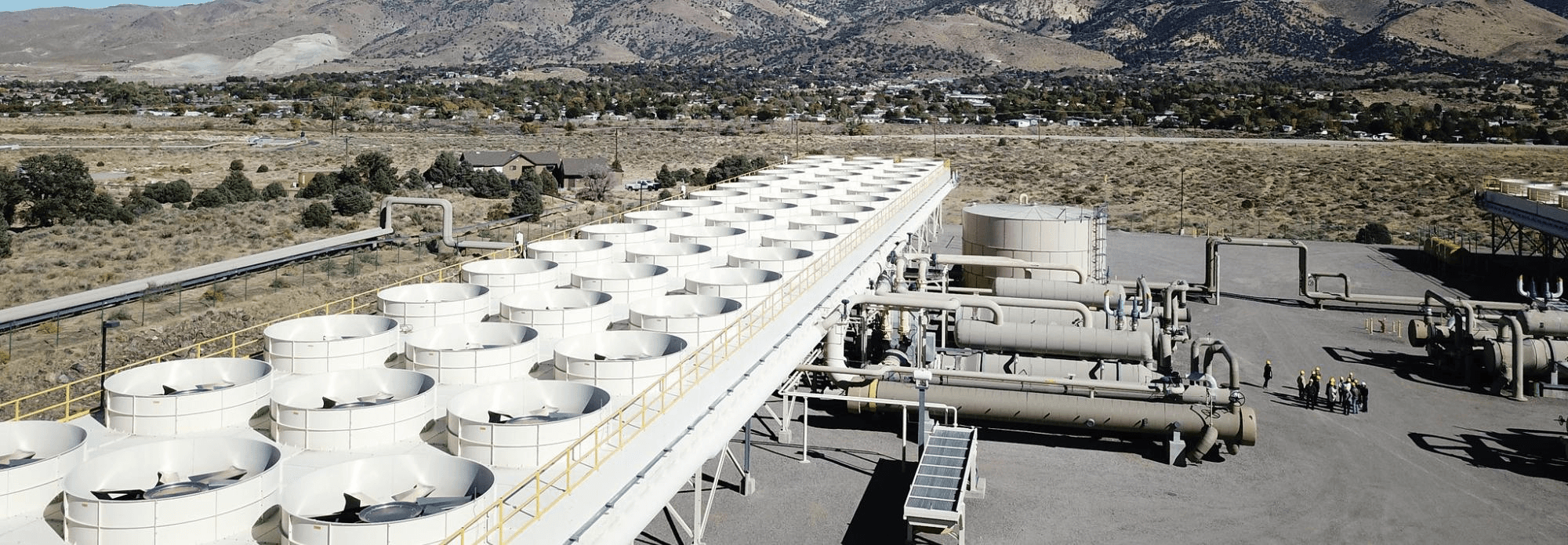

A newly released report from The 2035 Initiative at UC Santa Barbara, in partnership with Project InnerSpace, presents compelling evidence that next-generation geothermal technologies could play a transformative role in industrial decarbonization. Unlike conventional geothermal systems, which are limited to geologically active regions, next-generation systems including Enhanced Geothermal Systems (EGS) and Advanced Geothermal Systems (AGS) can access deep underground heat virtually anywhere. Advances in drilling and wellfield engineering now make these technologies increasingly cost-competitive and viable across a wide geographic range.
The report highlights how geothermal heat can directly replace fossil fuel-based systems for producing steam, hot water, and hot air which are all essential forms of process heat used in manufacturing. Industries such as pulp and paper, food and beverage processing, and chemicals are particularly well-suited for geothermal integration. For example, a pulp and paper facility in New Zealand was able to switch from a coal boiler to geothermal steam, saving approximately $4 million per year in energy costs while eliminating 10,000 tons of carbon emissions annually. In the U.S., a garlic and onion drying plant in Nevada has fully integrated geothermal heat into its operations, avoiding over 11,000 tons of CO₂ emissions each year.
The report also offers a comprehensive strategy to scale geothermal for industrial use. This includes deploying “heat-as-a-service” business models, where third-party developers build and operate geothermal systems and sell heat to industrial customers. It also emphasizes the importance of co-located industrial parks near geothermal sites to maximize efficiency and minimize risk. Expanding demonstration projects and enacting targeted policy support, including permitting reform, financial incentives, and public-private risk-sharing, are also identified as critical steps toward widespread deployment.
Next-generation geothermal offers significant environmental and economic benefits. It provides clean, reliable, around-the-clock heat without combustion, which reduces both CO₂ emissions and harmful air pollutants such as particulate matter and nitrogen oxides. Geothermal systems can operate off-grid, which lowers infrastructure costs and improves energy resilience. They also require minimal surface disruption, helping to avoid land-use conflicts. In addition, the potential to repurpose oil and gas sector expertise and infrastructure makes geothermal a promising tool for advancing a just transition in the energy workforce.
The 2035 Initiative is developing a national, facility-level geothermal suitability map to guide deployment efforts. This tool will combine geological resource data with industrial heat demand models to identify high-potential sites for near-term geothermal adoption. This sustainability map will be invaluable for policymakers, developers, and stakeholders seeking cost-effective and regionally appropriate pathways to decarbonize industrial heat.
You can read the full report, Unlocking Next-Generation Geothermal Heat for Industry, here.