Nov 6, 2025
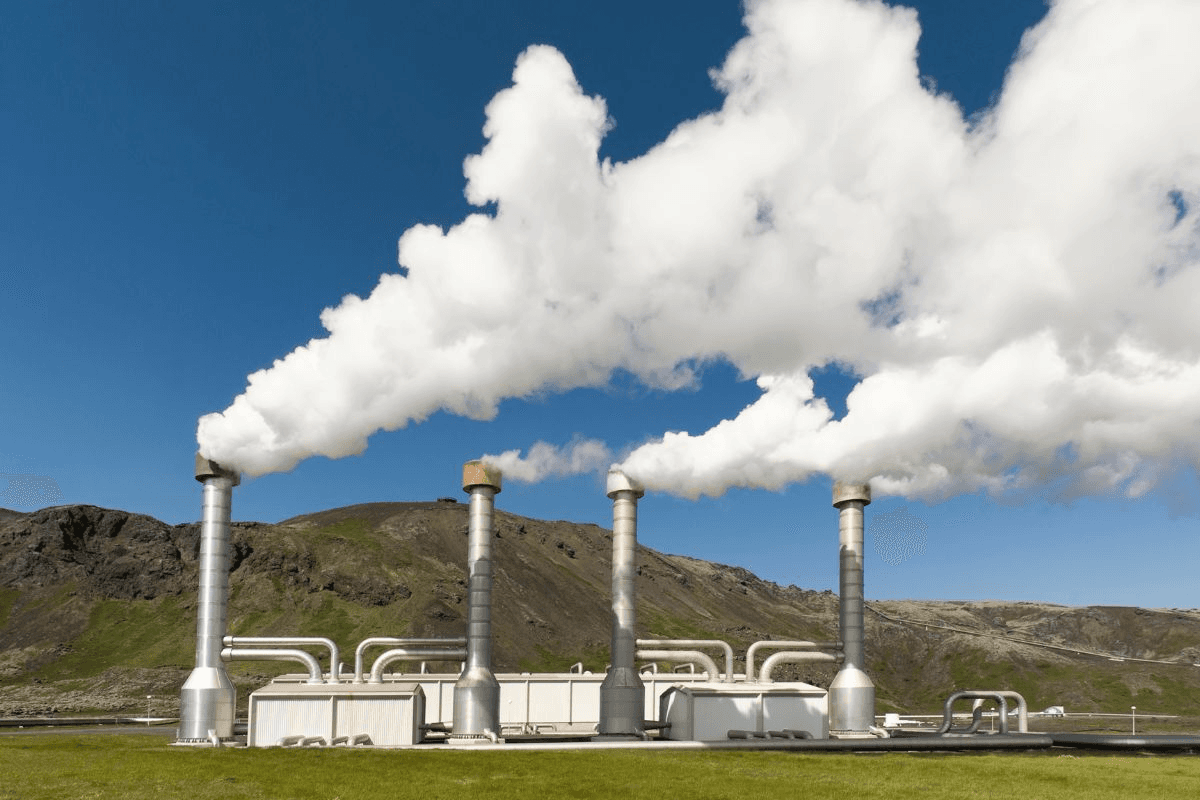

On October 10, 2025, PBS News reported on a first of its kind networked geothermal project in Framingham, Massachusetts, created through an unexpected partnership between utility executives and local climate activists. The project connects three dozen homes and municipal buildings to a shared geothermal well, offering residents a cleaner and more efficient way to heat and cool their homes.
Eversource, the region’s largest utility, built the one mile system of underground pipes and provided participating households with heat pumps at no cost. The pilot is designed to demonstrate that utilities can deliver thermal energy in the same way they traditionally supply gas or electricity. For many residents, including retired schoolteacher Carol Canova, the system has provided more consistent temperatures and lower overall energy costs.
How Networked Geothermal Works
Heat pumps move heat in and out of buildings, and their efficiency depends on the difference between indoor and outdoor temperatures. By drawing from the earth’s steady underground temperature of about 55 degrees, geothermal heat pumps require far less electricity to operate. Water with antifreeze circulates through pipes, exchanging heat with the ground year round.
Drilling geothermal wells is expensive, which has historically limited adoption. In this pilot, Eversource absorbed all upfront costs to test the feasibility of a utility scale system. The only visible infrastructure is a small pump house that controls the network and connects to a field of roughly 600 to 700 boreholes.
An Unlikely Collaboration
The project originated from conversations between Eversource leaders and climate advocates from HEET, the Home Energy Efficiency Team. HEET’s work on aging gas infrastructure led to a broader question about how utilities might shift away from leaking pipelines and toward cleaner, safer heating options. Executive Director Zeyneb Magavi described geothermal resources beneath communities as a shared asset that could support a transition away from natural gas.
Massachusetts and other states in Eversource territory have aggressive climate targets, and regulators are encouraging alternatives that can reduce emissions while maintaining reliable service. Networked geothermal offers a pathway for utilities to modernize their systems without requiring individual homeowners to shoulder the full cost of a transition.
Researchers at Oak Ridge National Laboratory estimate that widespread adoption of geothermal heat pumps could reduce national electricity demand by 13 percent in the next 25 years. Cornell University has experimented with geothermal heating and district cooling for decades, and its current deep borehole project reflects growing academic and commercial attention to geothermal resources.
The Framingham pilot has gained national interest, and plans are already underway to double the size of the network next year. Supporters say the project demonstrates that utilities can deliver clean heating in a way that is affordable, scalable, and aligned with climate commitments.
You can read the original PBS News report, Unlikely alliance builds cleaner geothermal energy network in Massachusetts community, here.